Biodiversity
Promoting and protecting biodiversity and ecosystems at our airport hubs
Aéro Biodiversity
Since 2021, we have been partnering with Aéro Biodiversity, a French charity set up in 2015, which subject to the Act of 1901, recognised as being of general interest.
The charity was a result of a project initiated in 2013 by the airline HOP!, in collaboration with major industry players such as the French Civil Aviation Authority (DGAC), the National Museum of Natural History (MNHN), Air France, along with several pioneering airports.
Mission and objectives
Its main goals are:
- Assessing the current level of biodiversity at airports through scientifically rigorous inventories, often using citizen science.
- Improving the management of these spaces to foster the coexistence between airports’ activities and natural environments (fauna and flora), while taking into account air safety constraints.
- Raising awareness and rally managers, staff and the public around biodiversity issues.
Through this partnership, Aéroports de la Côte d’Azur is fully committed to the 2030 National Biodiversity Strategy, by promoting responsible and sustainable management of its airport grasslands.
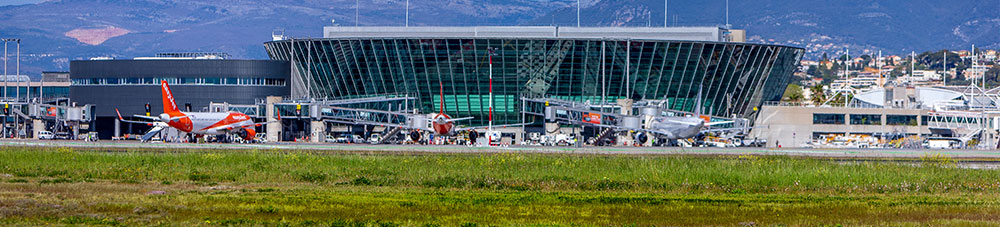
Nice Côte d'Azur Airport
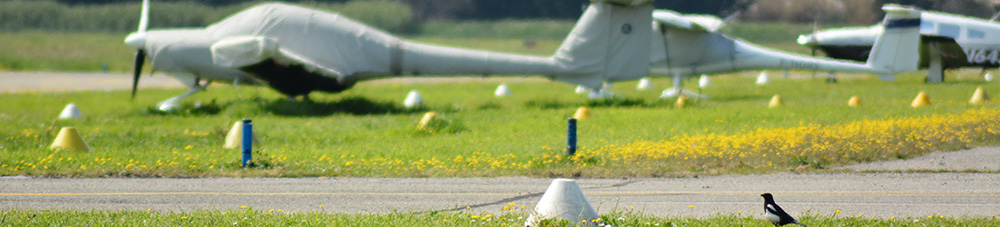
Cannes Mandelieu Airport
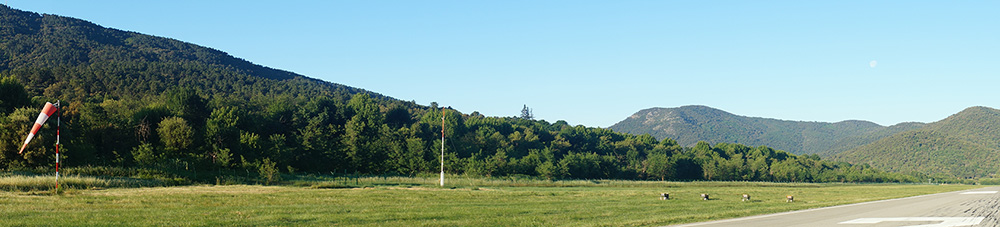
Golfe de Saint-Tropez Airport
-
Biodiversity at Nice Côte d'Azur Airport
See more See lessNice Côte d'Azur Airport covers an area of 375 hectares, including approximately 85 hectares of green space. The airport is bordered by the Lower Var Valley, a protected area classified as a Natura 2000 site.
It is the largest coastal wetland in the Alpes-Maritimes and is a site of major interest for birdlife.
Increased monitoring
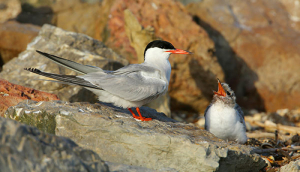
Since 2017, a partnership has been set up with the French Ligue pour la Protection des Oiseaux (LPO) PACA (League for the Protection of Birds) to monitor bird populations in the Natura 2000 site, particularly common terns (Sterna hirundo), commonly known as ‘sea swallows’, which are often observed at the Var estuary.
Despite the public not being permitted in this area, visitors are frequent. The airport is working with all stakeholders to ensure that this sensitive ecosystem is respected and protected.
-
La biodiversité à l'aéroport Cannes Mandelieu
See more See less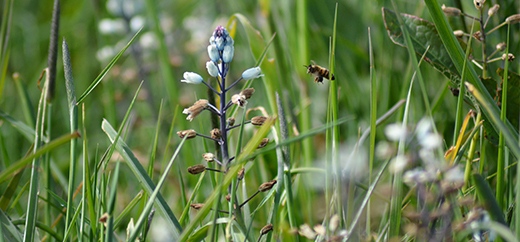
Cannes-Mandelieu Airport covers 115 hectares, including 74 hectares of natural space. The site is bordered by the Frayère and Béal, two major water courses in the Cannes basin, and includes two wetlands that contribute to the rich ecological diversity of the area.
Since 2025, the platform has been awarded the “Aérobio” Level 2 certification (out of 5). This level reflects the implementation of concrete actions in favor of biodiversity. The maintenance of grassed areas is adapted to support local fauna and flora, and the use of phytosanitary products has been completely eliminated. Wildlife hazard management is carried out in a balanced manner, reconciling ecological concerns with the safety requirements specific to aeronautical operations. The platform also actively contributes to the collection and sharing of naturalist data, helping to improve knowledge of the living species present on the site.
These actions are complemented by awareness-raising and communication initiatives, ensuring the platform is sustainably integrated into a positive territorial dynamic.
-
Biodiversity at Golfe de Saint-Tropez Airport
See more See less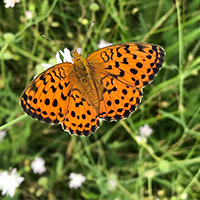
Located in a protected natural setting, Golfe-de-Saint-Tropez Airport covers 23 hectares, including 16.5 hectares of green space. Nestling in the heart of a ZNIEFF (Natural Area of Ecological Interest, Fauna and Flora), it has a remarkable rich biodiverse environment, bordered by the Môle river.
Since 2025, the platform has been recognized with the “Aérobio” Level 3 certification (out of 5). This level reflects the integration of biodiversity into the platform’s management. Green space maintenance practices are planned over the long term to balance ecosystem preservation with aviation safety. The use of phytosanitary products is prohibited. Mowing methods are optimized according to stringent ecological criteria, and the collection of naturalist data is sustainably embedded in team practices. Internal communication helps share observations and initiatives, fostering collective engagement. This level also marks the development of partnerships with local stakeholders to strengthen ongoing actions.
In 2023, the Gulf of Saint-Tropez Airport had achieved Level 2 certification (out of 3 at that time). This distinction already highlighted the platform’s commitment to understanding and protecting its natural environments, managing its spaces sustainably, and raising awareness among all stakeholders.